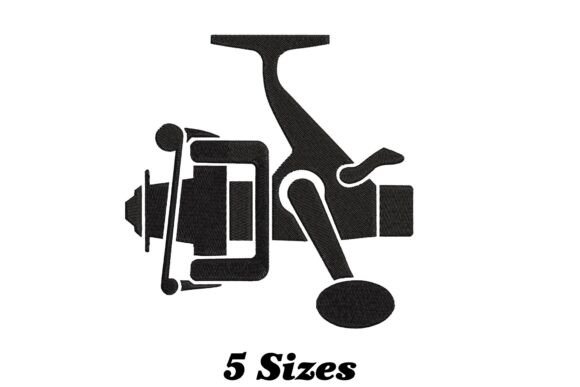
Fishing Reel Embroidery Design
A Whimsical, Approachable Charm That Catches Eyes—Not Just Fish
As an embroidery designer who’s prepped over 200 craft fair booths and launched dozens of small shop products, my first impression of the Fishing Reel Embroidery Design is immediate: it’s cheerful, unpretentious, and instantly legible. It leans into playful charm—not rustic realism or technical precision—but that’s its strength. For a Camping-themed collection, it avoids clichés like pine trees or campfires and instead offers lighthearted personality. Customers don’t need to “get” fishing to smile at it; they just need to recognize joy in motion. That makes it ideal for broad appeal across genders, ages, and styles—from cottagecore tea towel lovers to dad-joke enthusiasts browsing your booth.
Where It Shines: Craft Fair-Ready Product Pairings
This machine embroidery design thrives where handmade warmth meets everyday utility. Here’s how it performs across high-turnover craft fair items:
- Tote bag design: Works beautifully as a centered chest logo or subtle side accent. At 3–4 inches wide, it reads clearly from 6 feet away—critical when shoppers are scanning rows of booths.
- Apron embroidery: Pops above the pocket or on the bib. Its rounded shape complements curved apron seams without fighting the drape.
- Tea towel embroidery: Perfect for corner placement or border alignment. The whimsy balances kitchen practicality—especially on linen-cotton blends where stitch definition stays crisp.
- Embroidered patch: Holds up well as a sew-on or iron-on. Clean outlines and moderate detail mean it won’t fuzz or blur after washing or repeated handling.
- Caps and pouches: Best scaled to 2–2.5 inches. Avoid placing it directly over the crown curve unless you’ve tested stabilizer + tension for distortion.
- Pillow covers & market bags: Scales elegantly up to 5 inches without losing charm—ideal for larger focal pieces that anchor a display.
What Makes It Sell—Beyond the Stitch
The Fishing Reel Embroidery Design isn’t just decorative—it’s conversation-starting. At craft fairs, I’ve watched customers pause, point, and say, “Oh! My uncle has one just like that.” That emotional hook drives impulse buys and repeat engagement. It also supports brand consistency: whether you’re selling on Etsy, at a farmers’ market, or through a boutique wholesale line, this design reinforces a cohesive, handcrafted voice—friendly, nostalgic, and quietly confident.
Visually, it strengthens booth display by adding rhythm and contrast. Paired with neutral linens or earth-toned canvas, it pops without shouting. As a small shop product, it elevates perceived value: a plain cotton tote becomes a giftable, story-rich item. And because it’s not overly detailed, it photographs cleanly for online listings—no pixelation, no shadow confusion, no need for heavy editing. That’s gold for an Etsy seller juggling 50+ listings.
Production Reality Check: Smart Scaling & Smart Stabilizing
Before batch-producing, treat this digital embroidery file like a new team member—test it thoroughly:
- Test on scrap fabric—especially your target materials (terry cloth towels, duck canvas, twill caps). Texture changes everything.
- Check thread contrast on both light and dark fabrics. A warm tan reel against navy denim? Yes. Same thread on black terry? May disappear—swap to cream or mustard.
- Review spacing and stitch density. Whimsical doesn’t mean sloppy—tight curves or overlapping lines can cause puckering if density is too high. If the file includes dense fill areas (like reel spools), use cutaway stabilizer for towels or bags.
- Confirm hoop size compatibility. Most versions will fit standard 4×4 or 5×7 hoops—but verify before cutting 30+ fabric pieces.
- Create at least one real mockup, not just a printable mockup. See how it drapes, how light hits the stitches, how it feels in hand.
- Compare fabric colors side-by-side. What reads “vintage teal” on screen may look muted on oatmeal linen—adjust thread palettes accordingly.
Careful-Use Notes: Where Clarity Can Slip
This embroidery file shines brightest when respected—not rushed. Avoid these pitfalls:
- Tiny details: If the design includes fine gear teeth or minuscule text (e.g., “Reel Love”), skip those on towels or caps—they’ll vanish or fray.
- Small lettering: Any text under 1/4 inch tall risks illegibility on textured surfaces. Opt for clean sans-serif fonts or omit lettering entirely for versatility.
- Thick or napped fabrics: Felt, fleece, or heavy canvas may swallow delicate outlines. Increase stitch length slightly or add underlay.
- Dark fabric + light thread: High contrast helps—but test metallic or pastel threads for sheen loss on black or charcoal.
- Curved cap surfaces: Always use a cap frame and medium-weight tear-away stabilizer. Skip satin-stitch-heavy versions here.
Final Thought: A Reliable, Repeatable Craft Fair Asset
The Fishing Reel Embroidery Design isn’t flashy—but it’s dependable. It converts browsers into buyers because it feels personal, handmade, and joyful—not mass-produced or generic. For commercial embroidery runs or limited-edition handmade product drops, it scales smoothly across categories without diluting your voice. It pairs effortlessly with other design assets in your library (think matching fish, tackle box motifs, or simple knot borders) while standing strong alone.
If you’re sourcing this as a digital embroidery file, remember: always confirm commercial licensing before selling finished products. And whether you’re stitching 5 or 500 units, let the reel do the work—just make sure your stabilizer, thread, and attention to fabric texture do theirs.