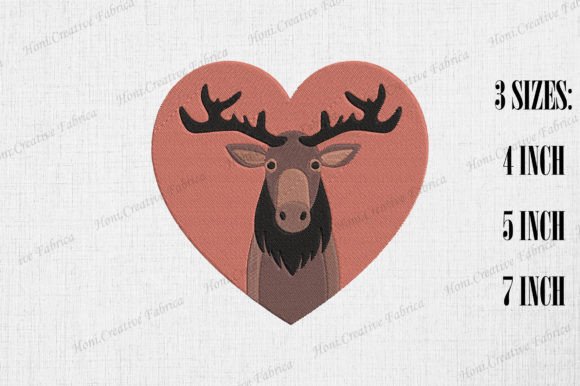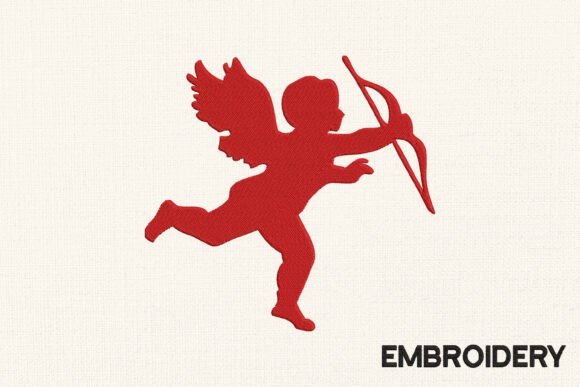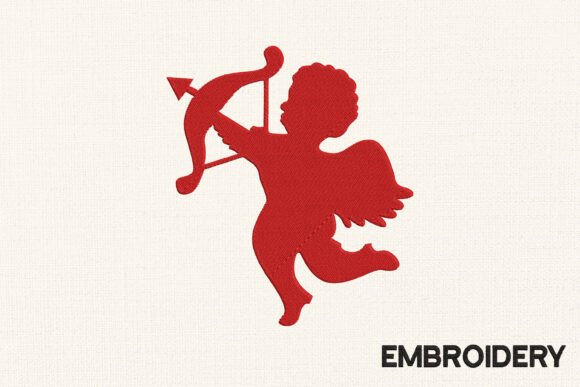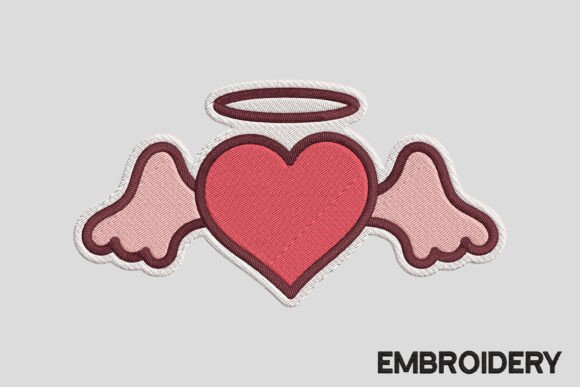
Valentine Heart Embroidery Design
First Impressions: Sweet, Timeless, and Thoughtfully Balanced
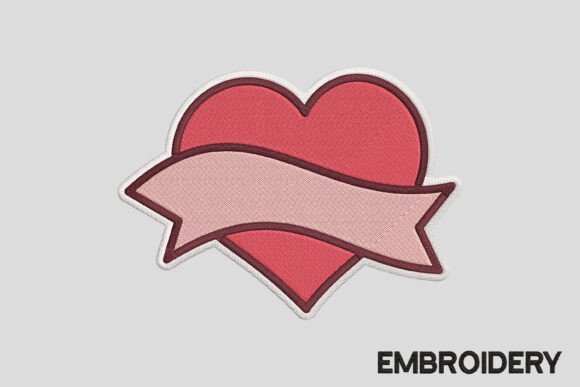
As an embroidery designer who’s tested hundreds of seasonal files for gift shops and Etsy sellers, the Valentine Heart Embroidery Design immediately stands out—not for flashiness, but for quiet confidence. It strikes that rare balance: romantic without being saccharine, elegant without stiffness, and hand-crafted in feel—even as a machine embroidery design. The curves are soft, the lines flow with gentle rhythm, and there’s just enough detail (a subtle scalloped edge, delicate inner line work) to suggest care without overwhelming the eye. It doesn’t scream “Valentine’s Day”—it whispers “love, thoughtfully made.” That subtlety is gold for personalized gift products.
Where This Design Truly Shines
This isn’t a one-use file. Its versatility is its strongest selling point—and it’s backed by real stitching experience across product categories:
- Baby embroidery: Perfect for heirloom baby blankets, onesies (on stable knit blends), and nursery wall hangings. The clean shape reads beautifully at 3–4 inches—large enough to anchor a blanket corner, small enough to nestle on a bib.
- Wedding gift: Stitch it onto linen pillow covers, cotton napkin sets, or monogrammed handkerchiefs. Paired with neutral thread colors (ivory, blush, charcoal), it feels quietly luxurious—not themed, but meaningful.
- Embroidered towel: Works exceptionally well on medium-weight cotton towels—especially kitchen or guest bath styles. The stitch density holds up without puckering, and the heart’s open center avoids heavy fill that traps moisture.
- Pillow cover & tote bag: Scales beautifully from 4” to 6”. On canvas totes or linen-blend pillows, it reads clearly from across a craft fair booth—and photographs cleanly for Etsy listings.
- Aprons & nursery decor: Its balanced proportions prevent visual weightiness on functional items. No awkward stretching or distortion, even when placed near seams or curved hems.
Use With Intention: Where Caution Applies
Even beloved designs have limits—and knowing them protects your reputation as a maker of quality handmade products. Here’s where to pause before stitching:
- Small lettering or fine details: This design doesn’t include text. If you plan to add names or dates, test font legibility separately—tiny script won’t hold up next to the heart’s clean lines.
- Textured fabric: Avoid heavy bouclé, thick terry cloth, or heavily napped fleece. The design’s grace relies on smooth surface definition—use extra stabilizer if attempting on textured cotton blends.
- Stretchy baby clothes: Not ideal for ribbed knits or thin stretch cottons unless fused with cutaway + tear-away stabilizer combo. Better suited for structured baby items (quilts, burp cloths, keepsake boxes).
- Curved surfaces: Skip mugs, curved wooden ornaments, or contoured tote straps. Stick to flat or gently rounded planes like pillow fronts or tote centers.
- Dark fabric: Thread contrast matters. Test ivory or pale rose thread on navy or charcoal—some light-toned threads lose definition. A metallic or matte-finish thread often lifts better than glossy poly on deep backgrounds.
- Frequent washing: While stitch density appears moderate (no dense satin fills), always pre-wash finished pieces like towels or blankets—and confirm your thread and stabilizer choices support repeated laundering.
Why Customers Choose (and Keep) These Gifts
The Valentine Heart Embroidery Design elevates perceived value instantly. Because it feels intentional—not generic—it tells the recipient, “This wasn’t rushed. You were considered.” That emotional resonance translates directly to buyer engagement: Etsy sellers report higher conversion on listings featuring this design in lifestyle mockups (e.g., folded towel on a marble counter, pillow propped beside a book). Small shop owners notice repeat customers asking for “that soft heart style” across seasons—not just February. And for wedding gift designers? It bridges generations: modern enough for minimalist couples, classic enough for traditional families. When photographed well (natural light, clean background), it performs strongly in digital thumbnails—no busy background needed to sell the feeling.
Practical Embroidery Notes Every Maker Should Run Through
Before stitching your first customer order, treat the Valentine Heart Embroidery Design like any commercial embroidery file you’d charge for:
- Test on scrap fabric—same type, same color, same stabilizer layers you’ll use for the final piece.
- Check thread color contrast in both daylight and indoor lighting. What reads softly in studio light may vanish on screen.
- Confirm hoop size compatibility. Does it fit comfortably in your most-used hoop? If not, adjust placement—not scale—to preserve proportions.
- Review stitch density visually in your embroidery software. Look for tight clusters or long jumps that could snag or fray over time.
- Use proper stabilizer: Medium-weight cutaway for stable wovens; tear-away + light cutaway for knits; water-soluble top layer for dense stitches on dark fabrics.
- Compare light and dark fabric mockups side-by-side before listing. A single photo rarely tells the full story.
- Inspect small details post-stitch: scallops, inner outlines, edge clarity. Trim loose threads—but don’t over-trim delicate points.
- Verify commercial licensing before selling finished products. If the description says “for personal use only,” it’s not suitable for your small shop product or Etsy seller inventory.
A Design That Grows With Your Business
Whether you’re embroidering a custom baby blanket for a first-time parent, curating wedding gift bundles, or stocking craft fair totes for February shoppers, the Valentine Heart Embroidery Design earns its place in your core collection. It’s not just a seasonal file—it’s a trust-builder. Customers remember how something *felt* when they unwrapped it. And this heart? It feels like care, consistency, and quiet celebration—all stitched in.